Crypto Reserve - I like Bitcoin and Ethereum!
Crypto Reserve
“I also love Bitcoin and Ethereum!”
If you think of Bitcoin as “digital gold,” it makes sense to hold some in your portfolio—and perhaps the same logic applies to the US government. But what about digital coins beyond Bitcoin?

A Citibike outside of the Federal Reserve. ©alex de chazal
Today, Trump tweeted that he is moving forward with a plan to create a “U.S. Crypto Reserve.” This follows his January executive order, which called on his crypto working group to evaluate creating a “national digital asset stockpile.” The group appears to have returned with an update, favoring the stockpiling of BTC, ETH, XRP, SOL, and ADA. I understand BTC and ETH, and I like the idea behind XRP, but I’m not familiar with SOL or ADA. Honestly, I’m not too eager to dive into a rabbit hole of technical details.
I would be more favorable toward a Crypto Reserve if it were a “bottom-up pull” rather than a “top-down push.” In other words, if Bitcoin were already widely used and held by the general public, it would feel more natural for the US to include it in its reserve. A more intriguing idea might be to take all that confiscated Bitcoin, distribute it broadly among the US population, and then create a reserve with what’s left. I just don’t like the idea of creating a reserve for something that the majority of people don’t value.
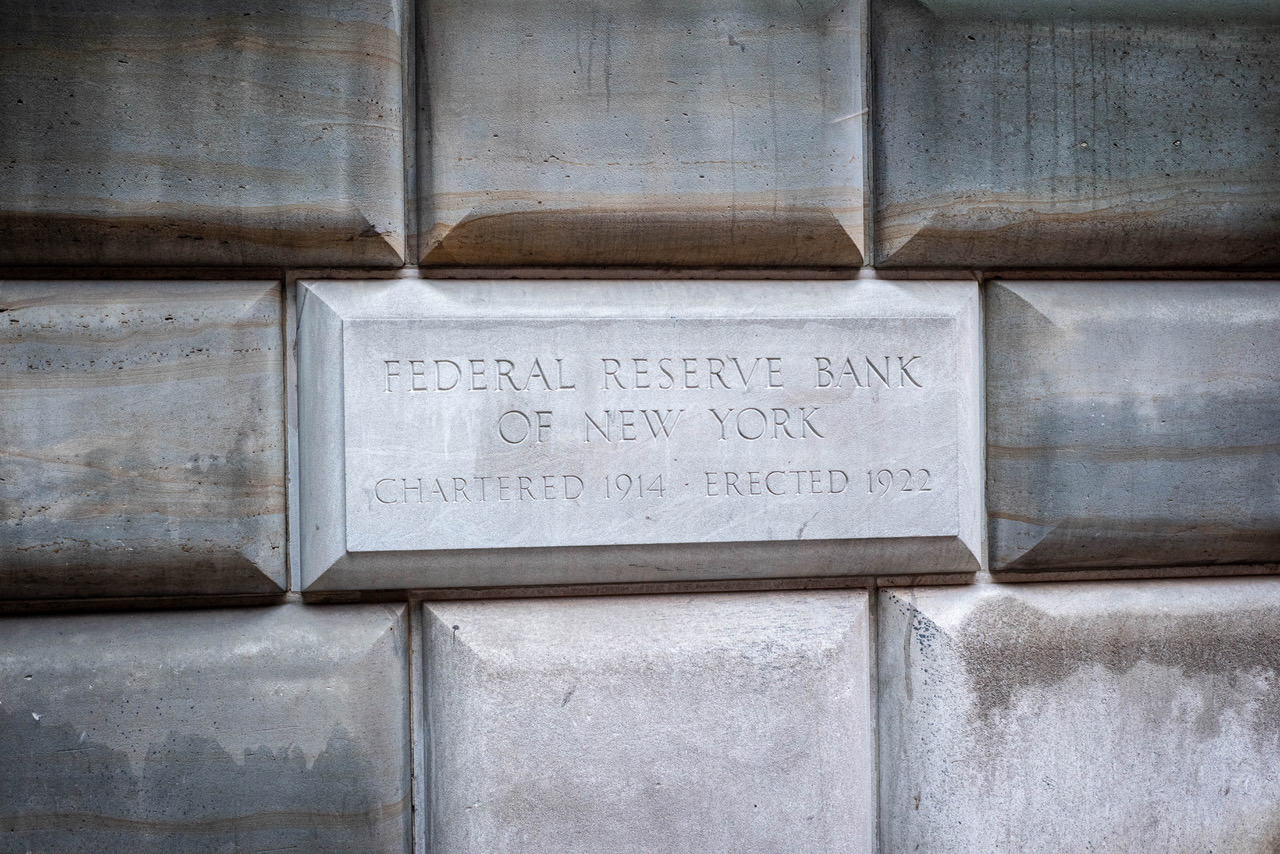
Time for an update? ©alex de chazal
Interestingly, there is already a Senate bill
that seeks to direct the US Treasury to buy 1 million Bitcoin (approximately $94 billion at today’s prices). Keep an eye on that too.
$81 Trillion Glitch
In more entertaining news, Citibank accidentally credited someone with $81 trillion—more than twice the US GDP. I couldn’t help but laugh when I read the story. It reminded me of my discussions at Standard Chartered Bank while building an interface between our client front-end systems and the Multifonds accounting system. One system had more decimal places than the other, and no one knew how to manage the conversion. It’s amusing to think that banks are still tripped up by “numbers of zeros.”